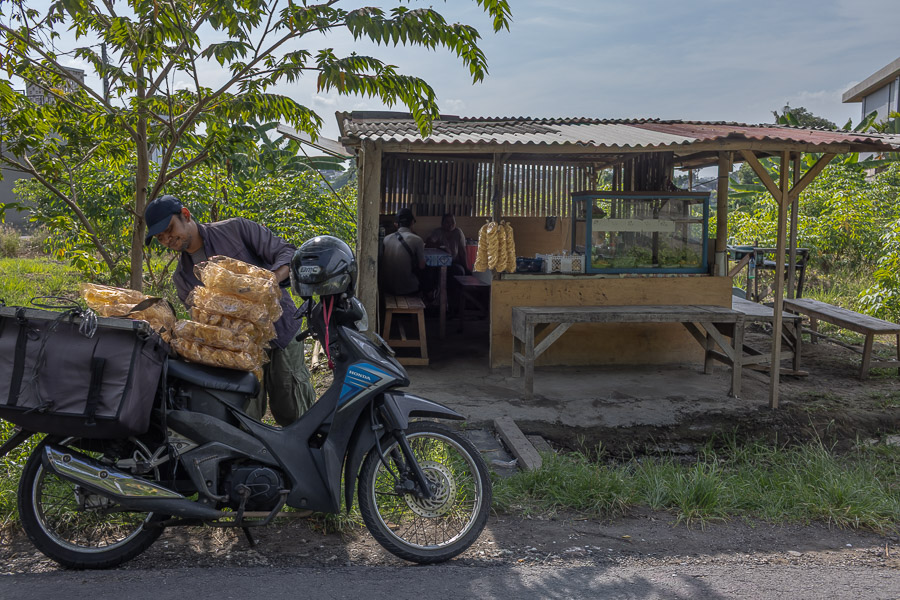
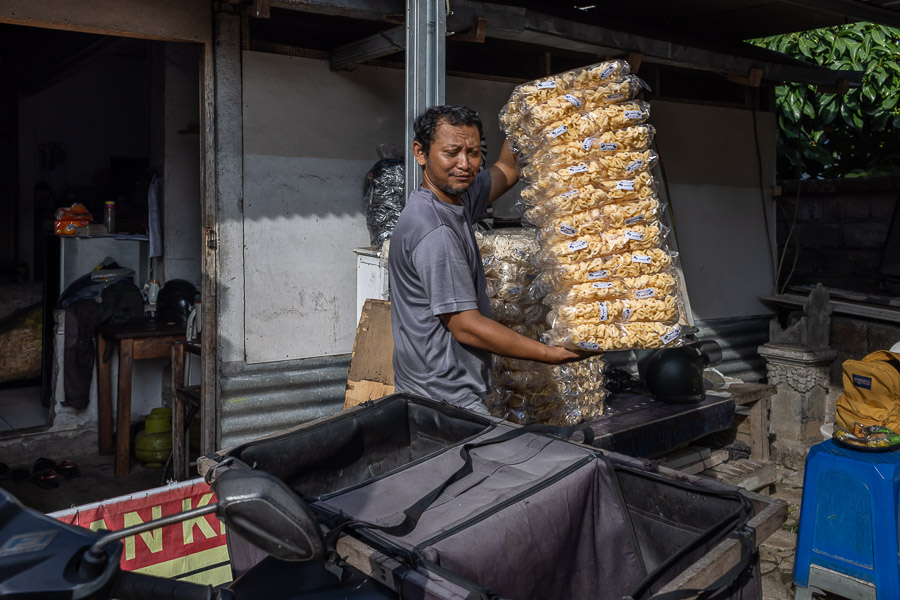
As the sun hangs heavy in the sky, Edy straps dozens of packets of kerupuk onto his motorcycle. The load towers above his shoulders, swaying slightly as he navigates the narrow roads of Bali. One snapped rope could send everything spilling onto the pavement, a risk he knows well.
A decade ago, Edy was leading a large sales team at Apache, a cigarette company in Bali. There, he learned the power of distribution networks and the importance of building relationships with shop owners, lessons that would later shape his own business.
It was also at Apache that he met Christine. Company rules prohibited relationships between colleagues, but the couple successfully appealed for permission to remain at the company until the birth of their first child, Noah.
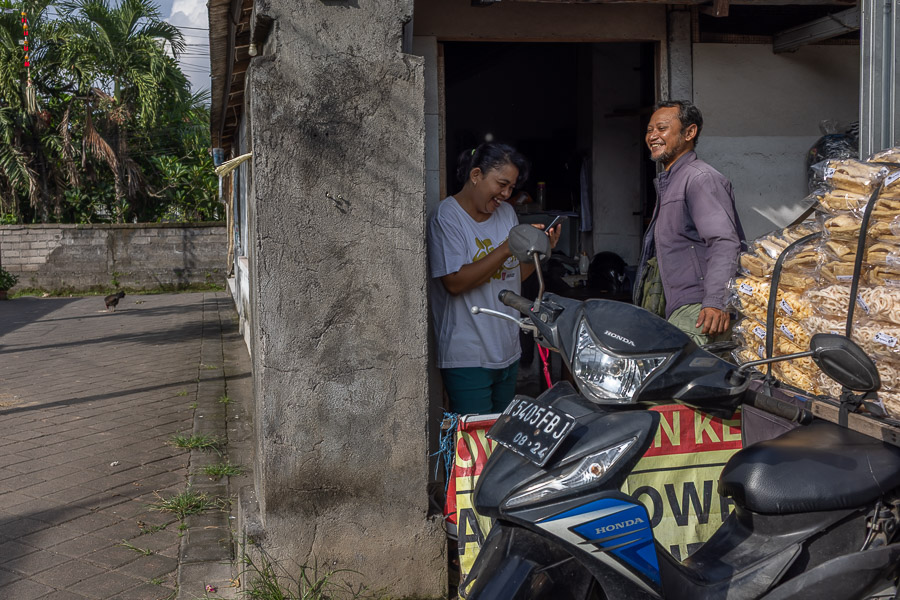
Inspired by what they had learned about sales and distribution, the couple began making kerupuk from a room in their home, cooking, packing, and delivering every packet themselves to little shops. Eventually, they left their salaried jobs and went all in.
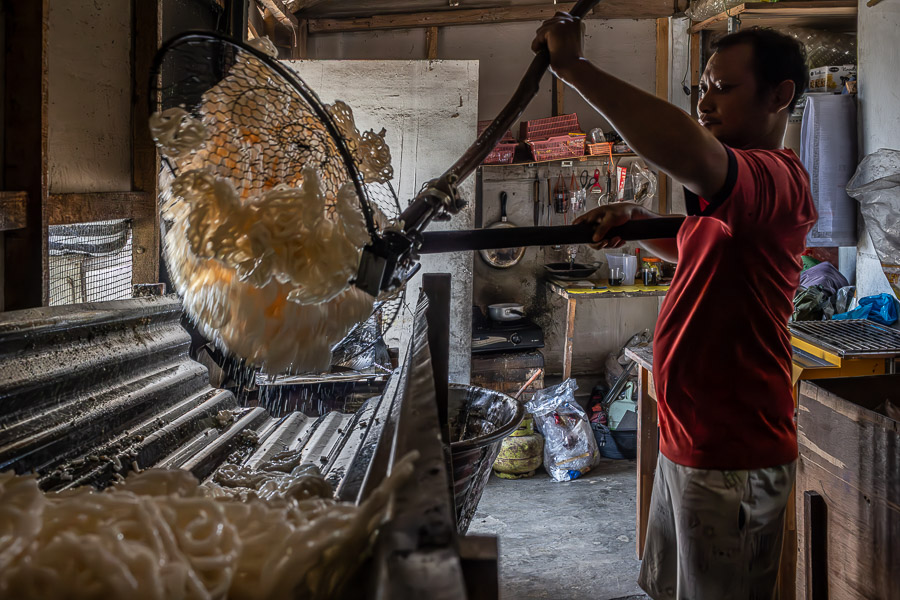
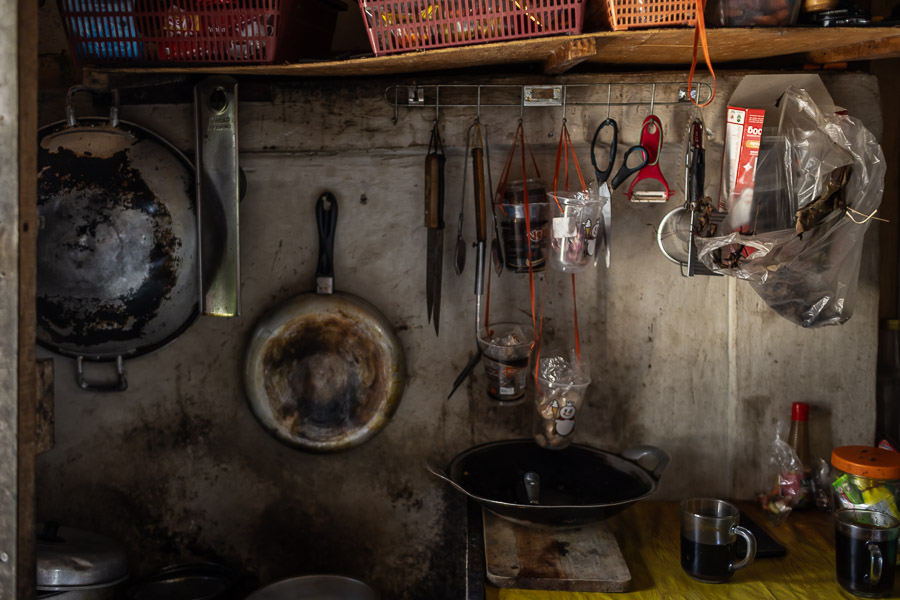
As the business expanded, they rented a small room nearby for 500,000 rupiah a month (about USD $28). Each round of frying uses 24kg of oil, with each batch taking hours to cook and pack before making their way to shops across the island.
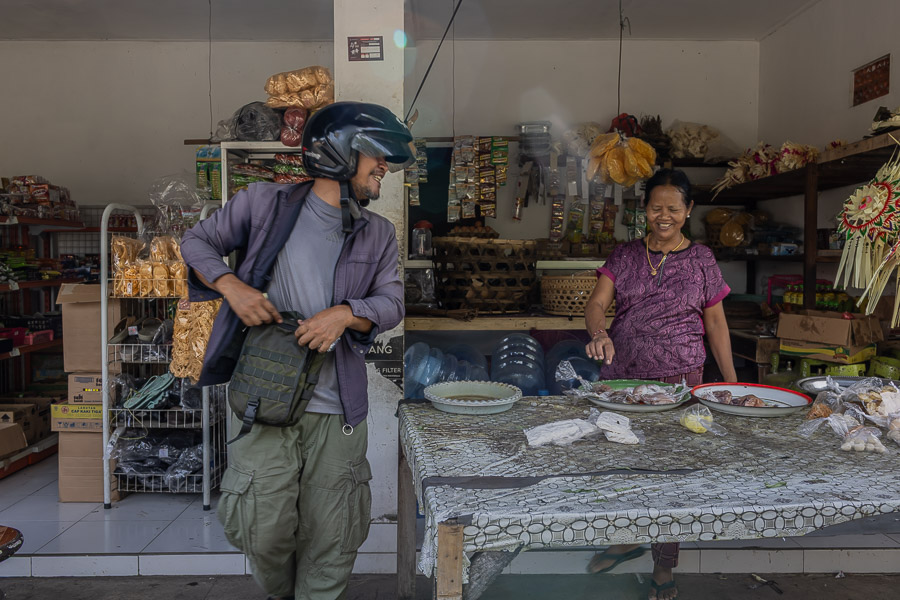
Competition is fierce, and most suppliers compete aggressively for shelf space. Edy takes a different approach. Rather than viewing other brands as rivals, he helps shopkeepers arrange his competitors’ in an attractive display alongside his own. A well-presented shelf draws customers in and boosts sales for everyone. During his years selling cigarettes at Apache, Edy learned an important lesson: even the best products won’t sell if people don’t notice them.

Edy and Christina cook different types of kerupuk to keep their business interesting, selling bundles of 13 packets for 10,000 rupiah. These vendors then resell each pack individually for 1,000 rupiah each. Margins are thin, but relationships are strong.
When COVID hit, everything collapsed. Orders dried up. Their savings vanished. One by one, they had to let go of 8 employees. At their lowest point, they struggled to buy food for the family. Their business shifted into survival mode: defensive, careful, cautious.
When the pandemic faded, they hired 3 workers back. Today, only 1 worker remains. Staff leave because of back pain, boredom, or get fired for carelessness. This work is not for everyone: the room is hot, and the packing is repetitive. To Edy and Christine, quality is paramount.
Still, the couple focused on continuous improvement. They’ve recently invested 3 million rupiah in a ‘sealing machine’ bought from Tokopedia. The machine injects air into each packet to keep the crackers fresh in a ballooned packet which prevents them from shattering into pieces. People questioned them: why bother with this extra effort? But soon, competitors began doing the same.
There have been mishaps. Once, the rope snapped from Edy’s motorcycle and kerupuk spilled across the road. Instead of walking past, strangers stopped to help gather the scattered packets. Small moments like this sound simple, and those small acts of kindness still give them energy today.
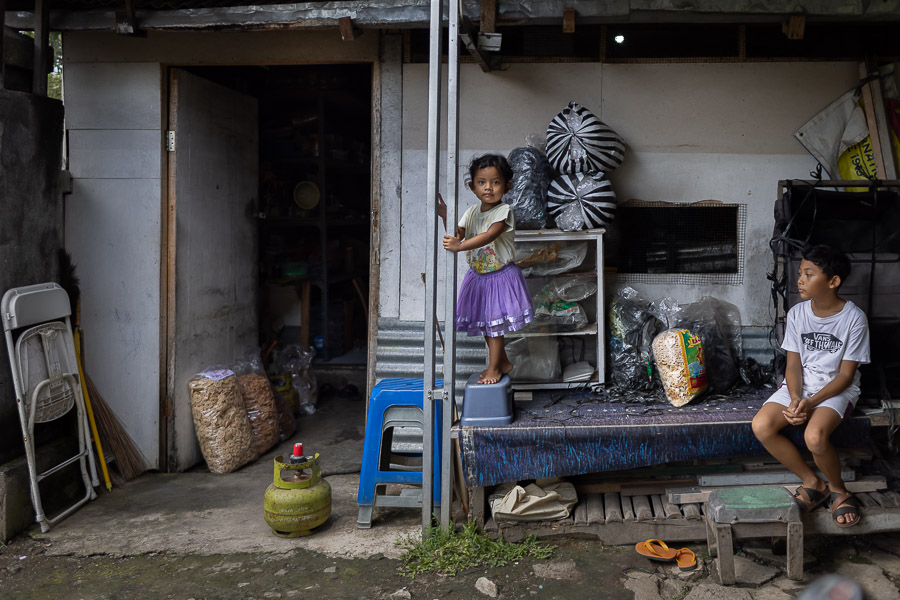
At home, their toddler Eliana plays cheerfully while 9-year-old Noah watches his parents build something from scratch, helping out wherever he is allowed.
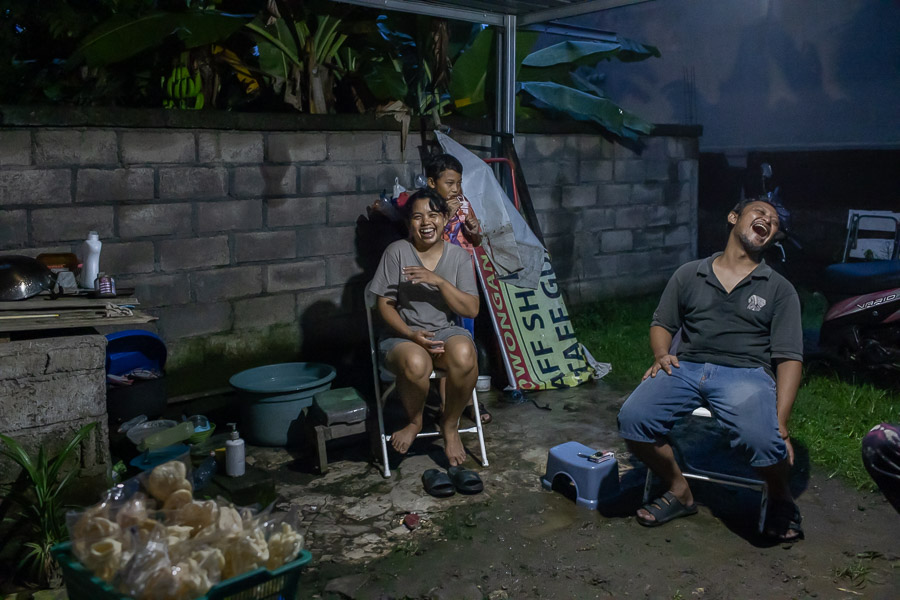
Their neighbourhood is a mix of Javanese and Balinese families, many Christian like them. Some run small businesses. Some are employees. Everyone is trying to make ends meet, somehow.
Tomorrow morning, Edy will load his motorcycle again. He’ll visit the same warungs, greet the same shopkeepers, and deliver another batch of crackers.
The future remains uncertain, just as it does for many small business owners. But his philosophy hasn’t changed:
“Terus maju. Maju saja,” he says. [Keep moving forward.]
“We don’t know what’s in front of us. Just go forward. Better than staying and doing nothing. Just move.”
So they do: frying, sealing, packing, and delivering one batch at a time.
About this story
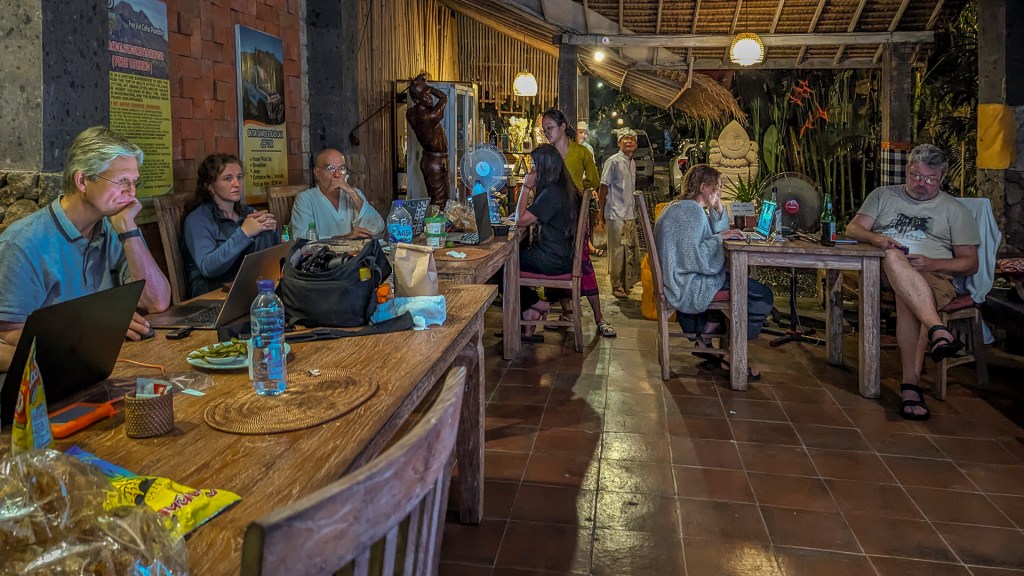
This work developed during John Stanmeyer’s Visual Storytelling Workshop in 2024. What I loved most about those days was that the learning went far beyond photography; it was about feeling the energy, being present, and interacting with the world with more intention.
Meet Putu
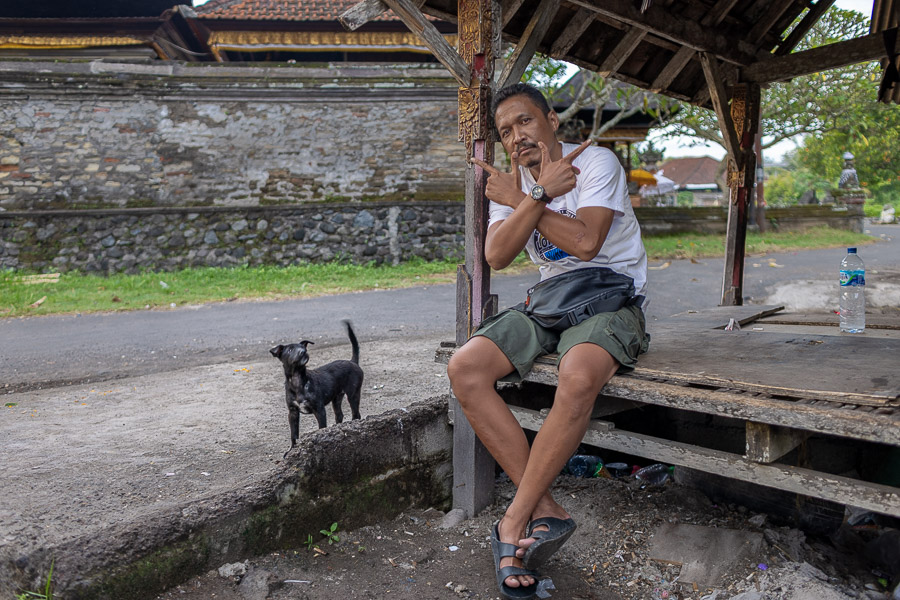
A story like this would simply not be possible without a fixer who knows the lay of the land, dissolves language barriers, and joins the adventure. I want to express my heartfelt gratitude to Putu for being such an incredible project guide! You can reach out to him whenever you’re in need of a wonderful guide, friend, and driver in Bali. Message Putu on Instagram! https://www.instagram.com/sostrolennon/
About the project
Shopkeeper Stories is a photo-documentary of small business owners and their trades around the world, sharing their insights, stories and views. You can catch the journey on Instagram @ShopkeeperStories


 Shopkeeper Stories
Leave a comment