You see bags of light, crunchy pork skin crackers at many food stalls in Bali. They are a popular snack. Typically, I would focus on creating portraits of the street food seller, and learning more about their life. This time, I was curious about the supply chain. Where do these crackers come from?
I didn’t know where to start. But, rather than get lost in an online directory, I decided to start with the wisdom of the streets. So we asked a seller: where did you get these crackers? He pointed to a street in a neighbourhood nearby, and we followed the trail.
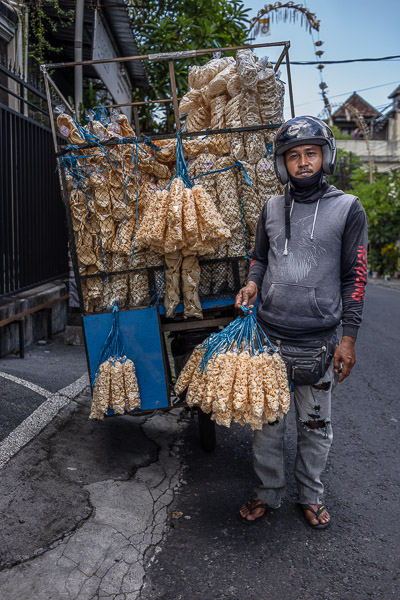
We went down a few wrong paths, asking a few more strangers, but eventually found a small shop selling crackers on a quiet residential road. And, just 2 steps away from the stall was a busy slaughterhouse. Talk about fresh: these crackers were practically still quivering with life!
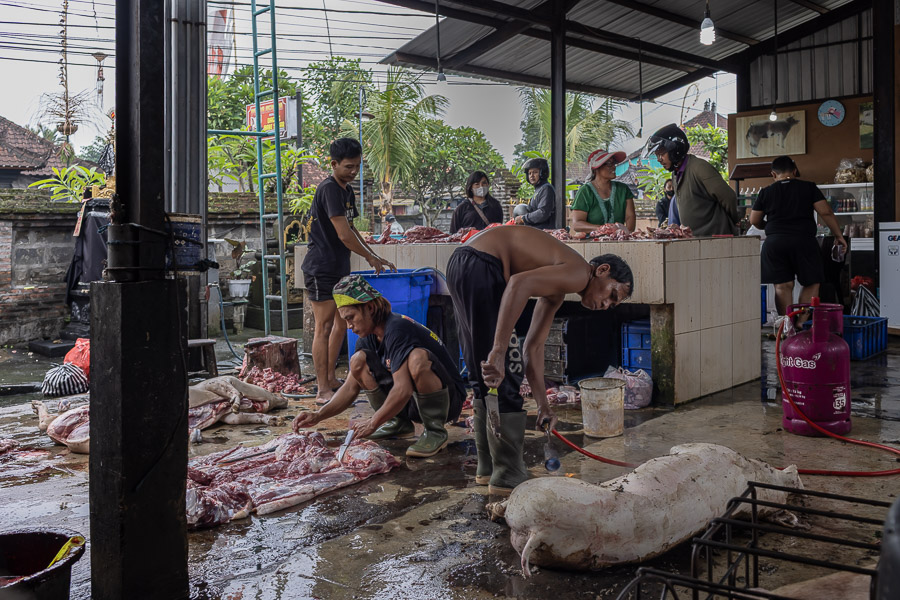
I wasn’t expecting to see pigs getting slaughtered right in front of me. The worker stuck a knife into the pig’s throat over a well in the ground, so that the blood could spill neatly into this well. While the other pigs watched, I observed one pig nestle the ear of another to comfort them, and bid a final farewell. They knew they were next.
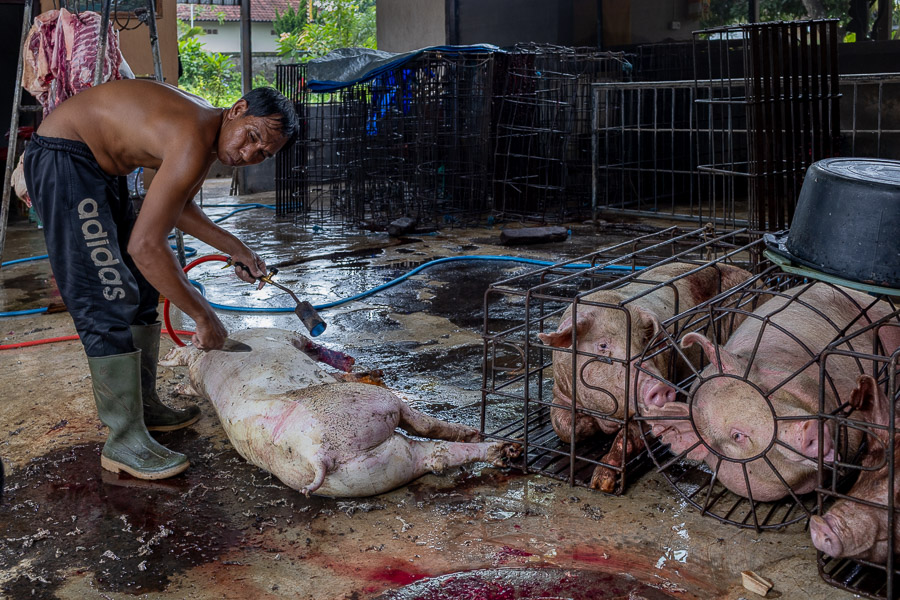
The pig’s skin is torched and expertly separated from the meat. The crew works efficiently to clean the parts destined for the factories.
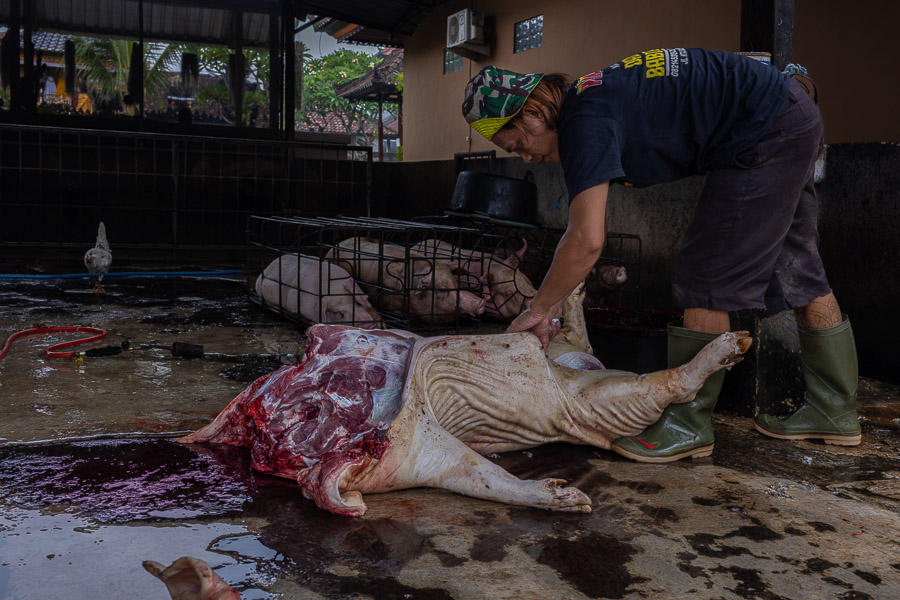
Factories buy these skins by the bucketful. They arrive as heavy, folded sheets from dozens of pigs, stacked and waiting to get cooked.
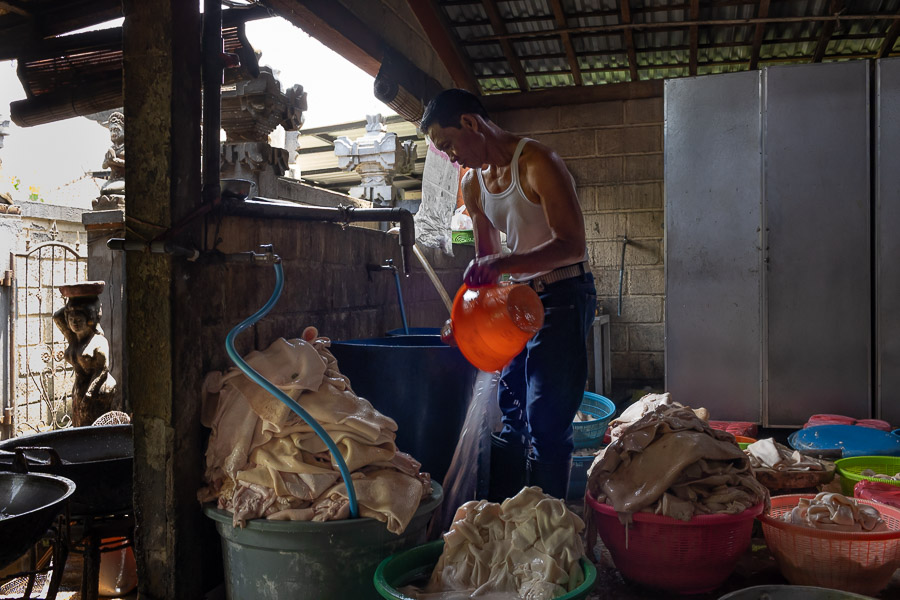
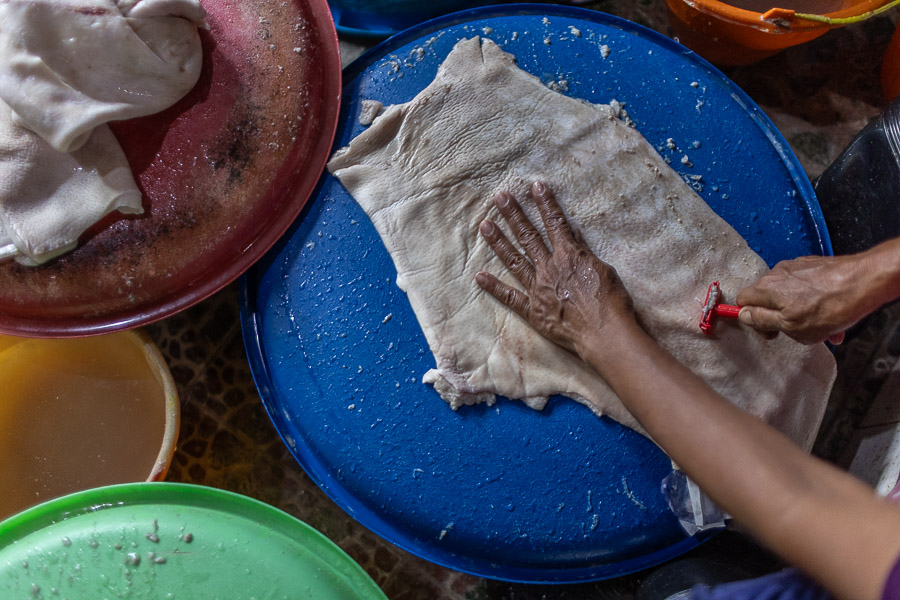
First, the workers shave the pig’s skin with a razor because, let’s be honest, who wants to eat a hairy chip?!! Shaving also clears away the bristles and grime, leaving a smooth surface that can easily puff up into those light, crunchy pork cracklings.
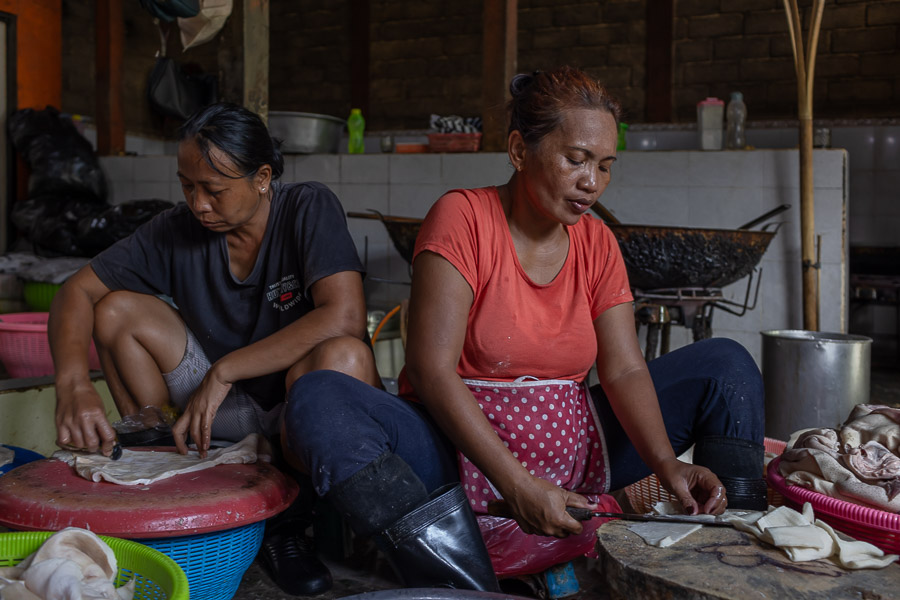
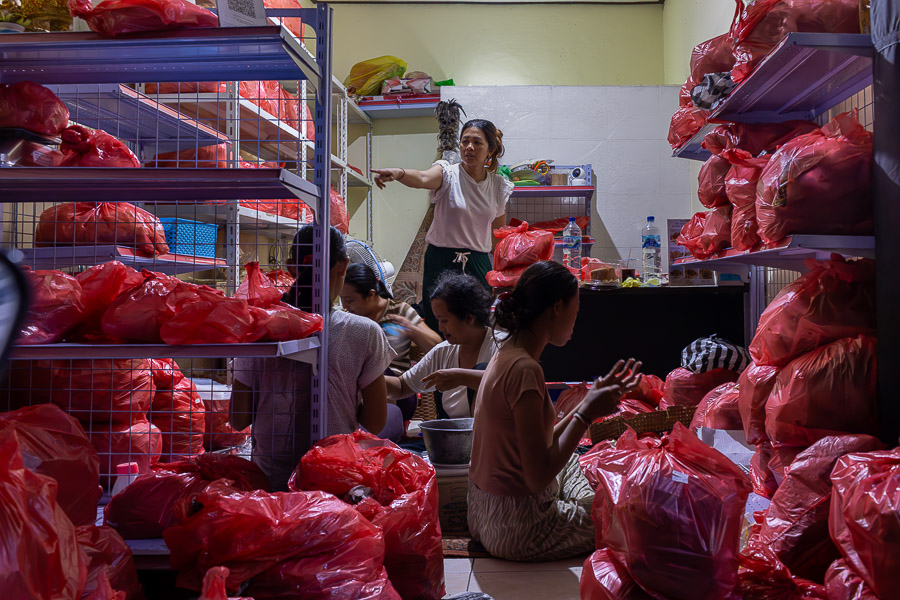
The working space feels intimate. It’s a small, family-owned factory nestled along a residential street. Unlike vast, impersonal factories, each worker is familiar with every single step of the production. They fluidly transition between tasks while immersed in friendly banter, steeped in camaraderie and craftsmanship.
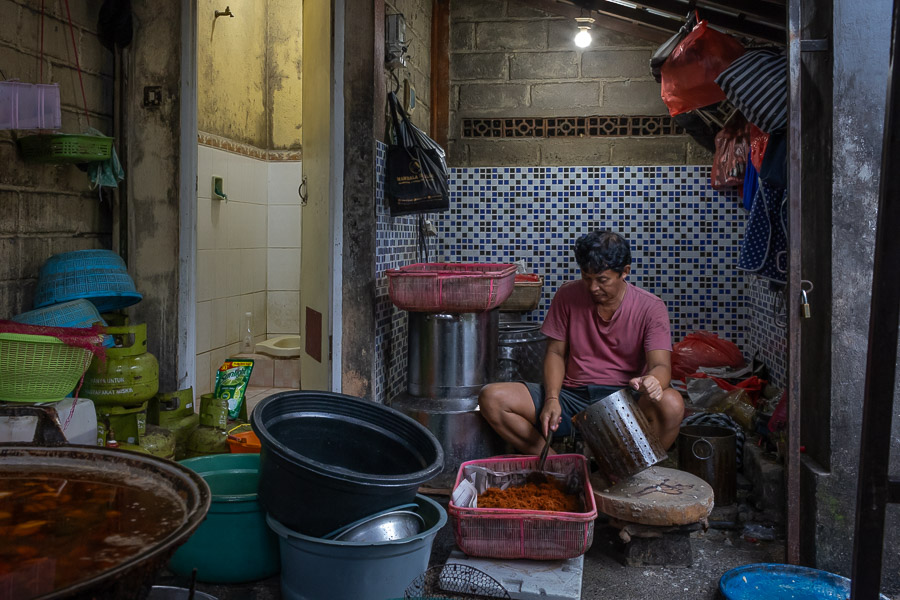
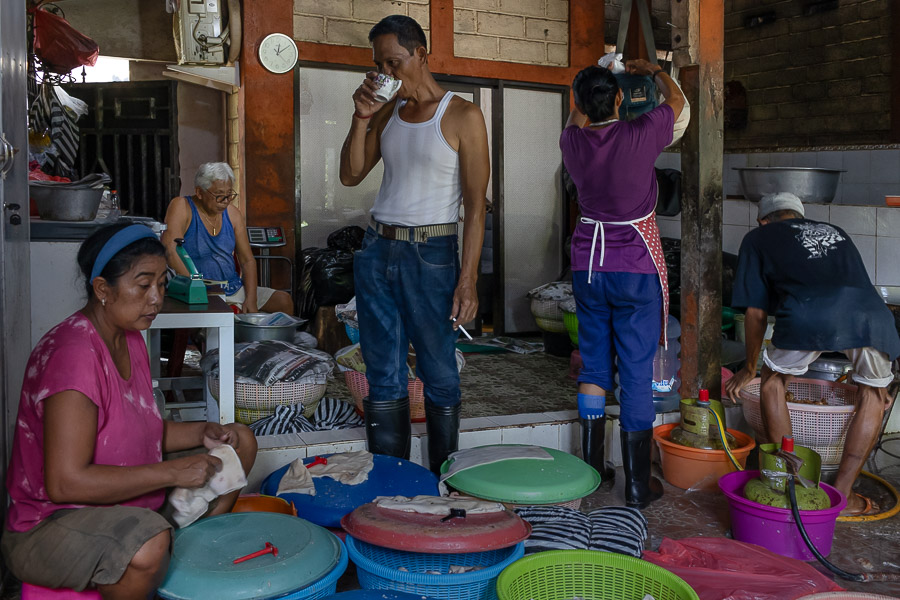
The family business has passed from father to son. With ambitions to expand, the son has introduced eel crackers into their offerings. To his credit, these eel crackers have quickly become best-sellers, winning over more loyal customers and driving growth.
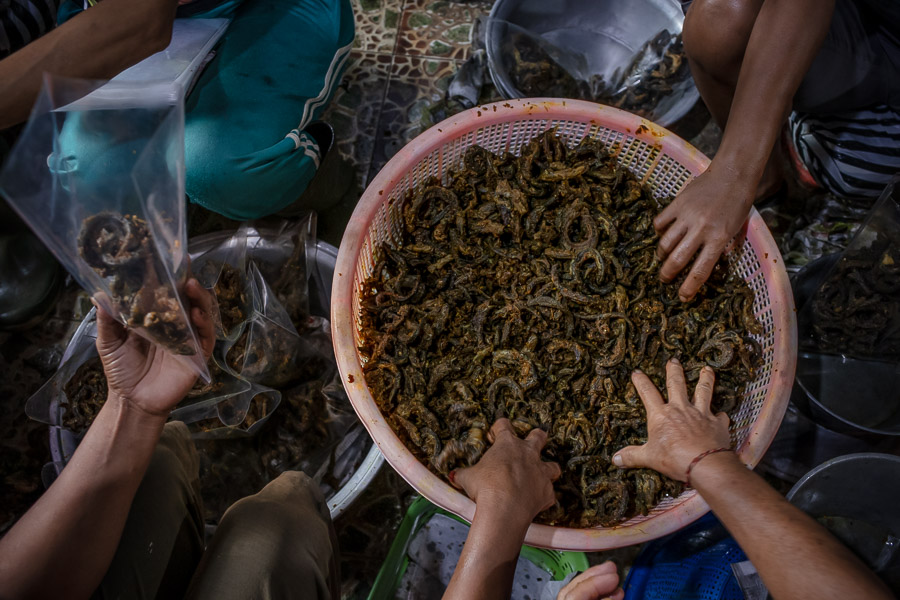
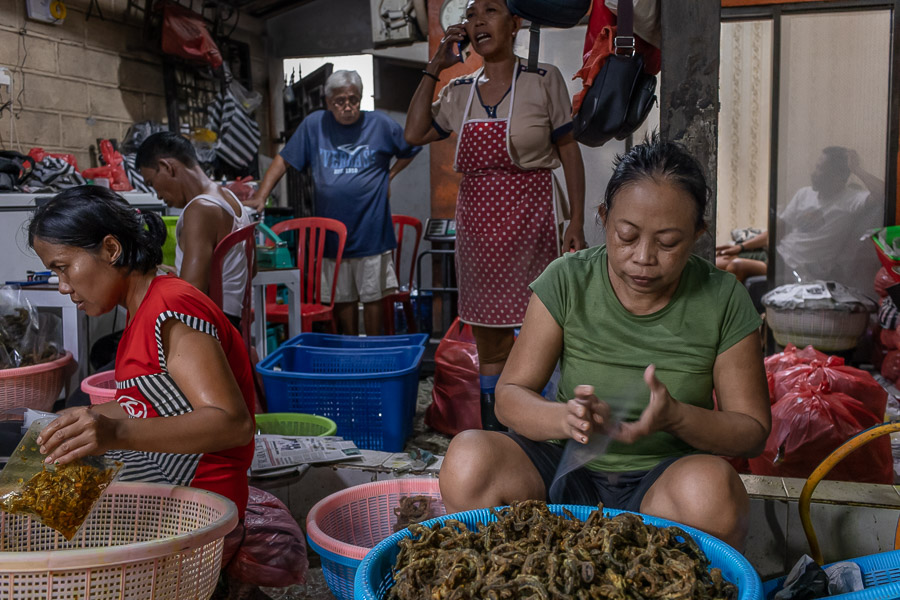
Once the pig’s skin has been shaved and chopped into squares, it is deep-fried and drained. The floor glistens with oil and water. I had to tread cautiously to avoid slipping and knocking over vats of hot oil while moving about with my camera.
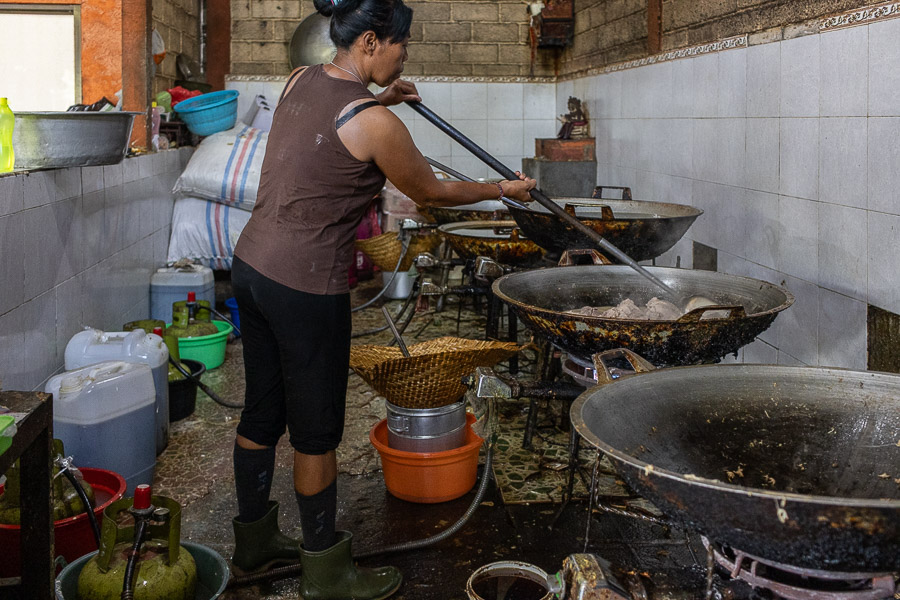
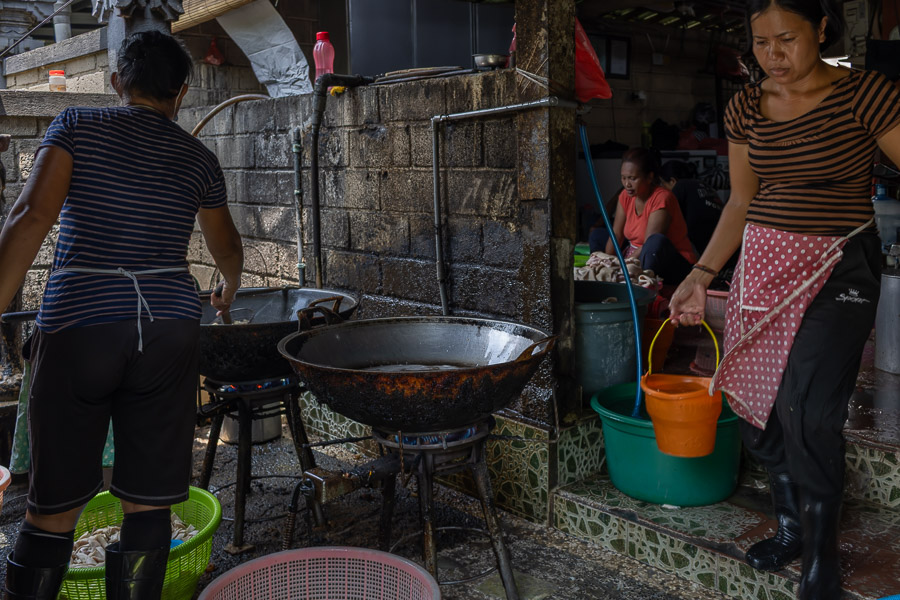
In other parts of Bali, we witnessed similar small-scale production lines. Sliced pig skin is dipped into bubbling woks of hot oil and transformed into crunchy crackers.
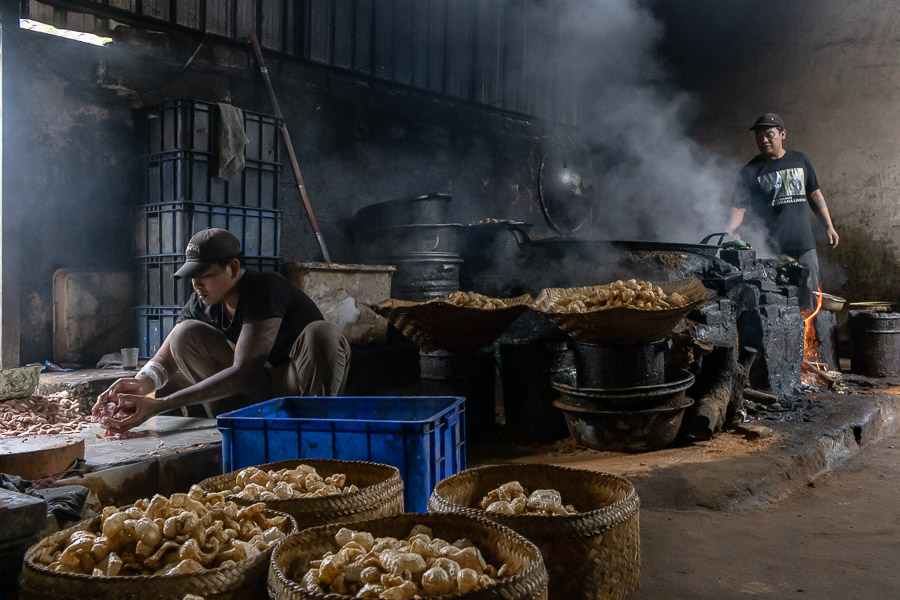
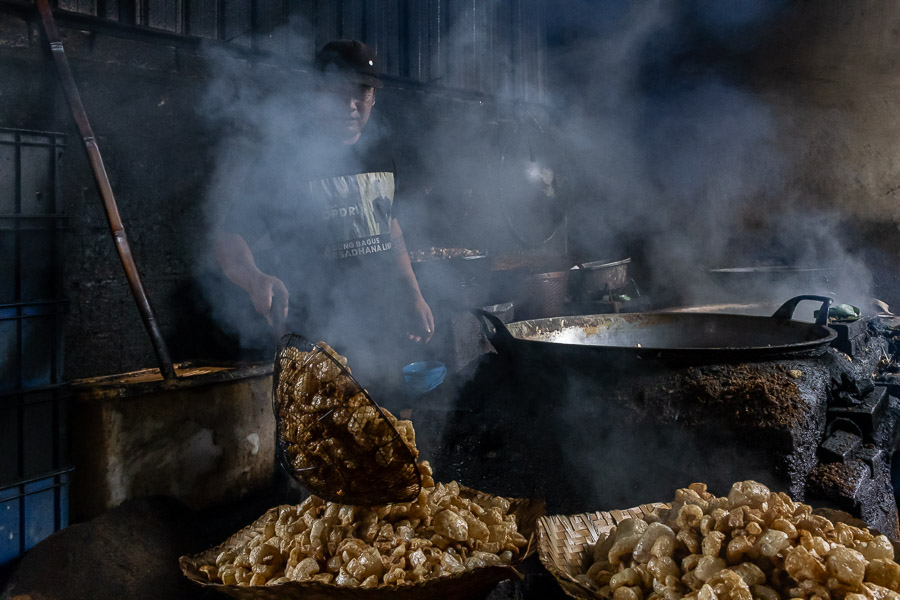
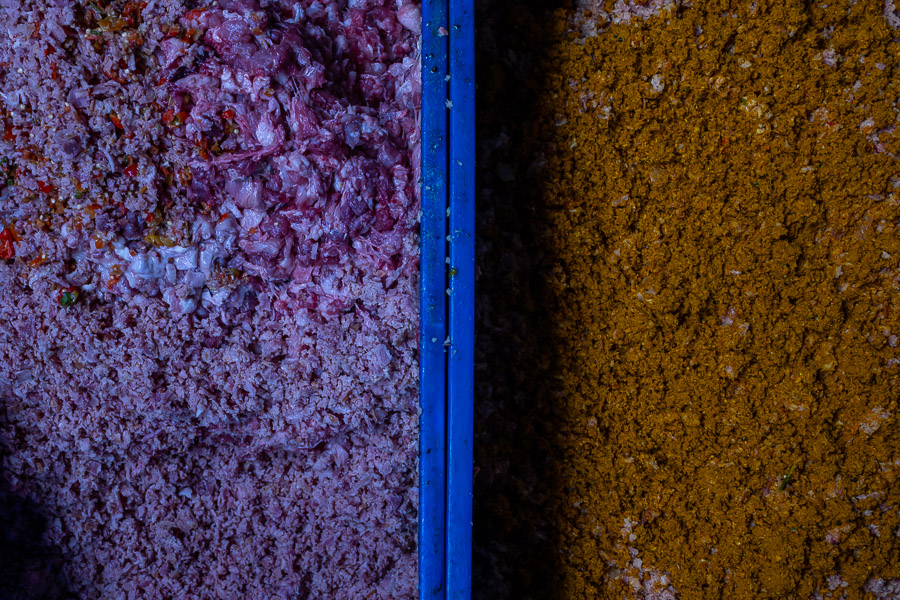
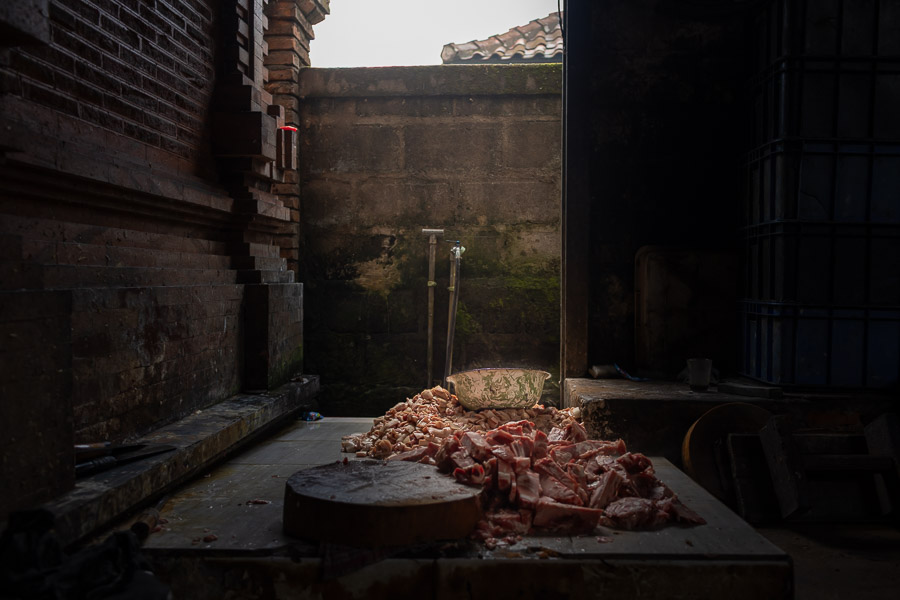
By nightfall, the pigs are unrecognizable. In a single day, they have transformed from carcasses to crackers. Packed into plastic bags, they are loaded into streetside shops, awaiting sellers and snack monsters.
About this story
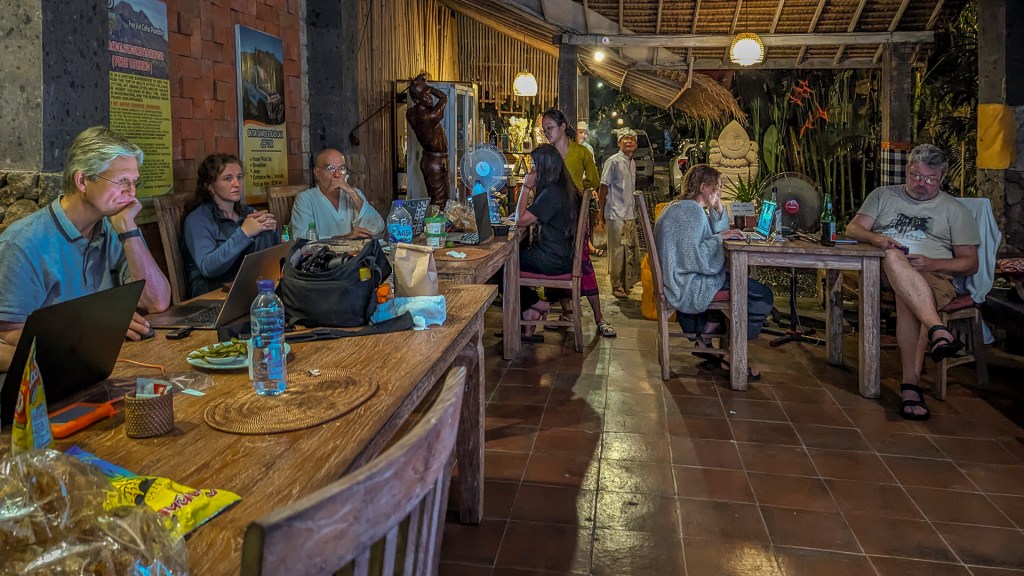
This work developed during John Stanmeyer’s Visual Storytelling Workshop in 2024. What I loved most about those days was that the learning went far beyond photography; it was about feeling the energy, being present, and interacting with the world with more intention.
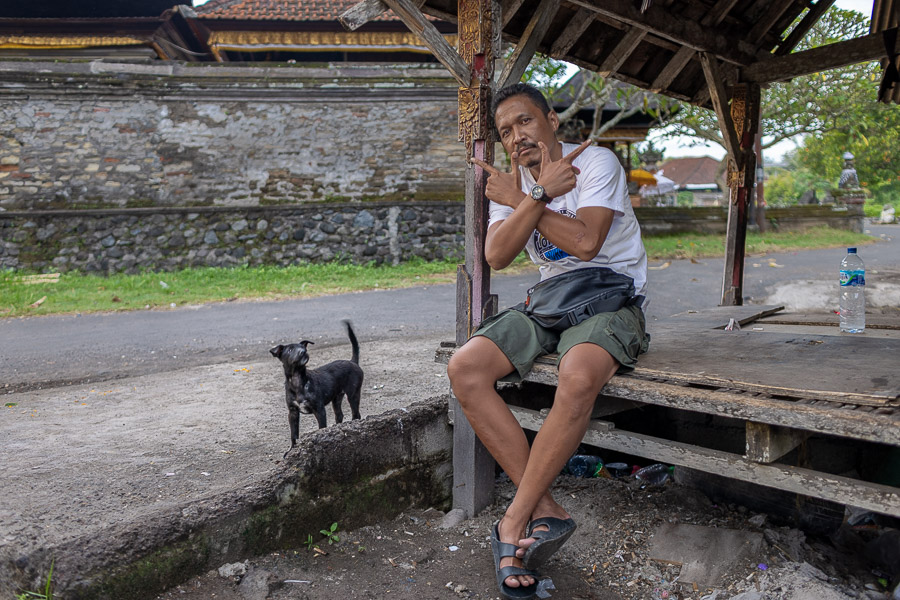
Of course, a story like this would simply not be possible without a fixer who knows the lay of the land, dissolves language barriers, and joins the adventure. I want to express my heartfelt gratitude to Putu for being such an incredible project guide! You can reach out to him whenever you’re in need of a wonderful guide and driver in Bali.
About the project
Shopkeeper Stories is a photo-documentary of small business owners and their trades around the world, sharing their insights, stories and views. You can catch the journey on Instagram Shopkeeper Stories.


Leave a Reply