Why we love flowers
Things are “just things” – plain physical objects that clutter our material world. However, humans are obsessed with attaching deeper meaning to objects, and corporate powers often manipulate us into believing these stories of significance. For instance, De Beers released a viral marketing slogan “Diamonds are forever” to persuade us that a diamond represents the epitome of lasting romance.
In stark contrast to diamonds, flowers are ephemeral, delicate, and full of contradictions. We use flowers to express grief in funerals, and we also rely on flowers to celebrate romance at weddings. In the sacred silence of temples, we adorn garlands and pray, while in the raucous revelry of raves, we adorn colourful leis and party. Flowers are versatile,
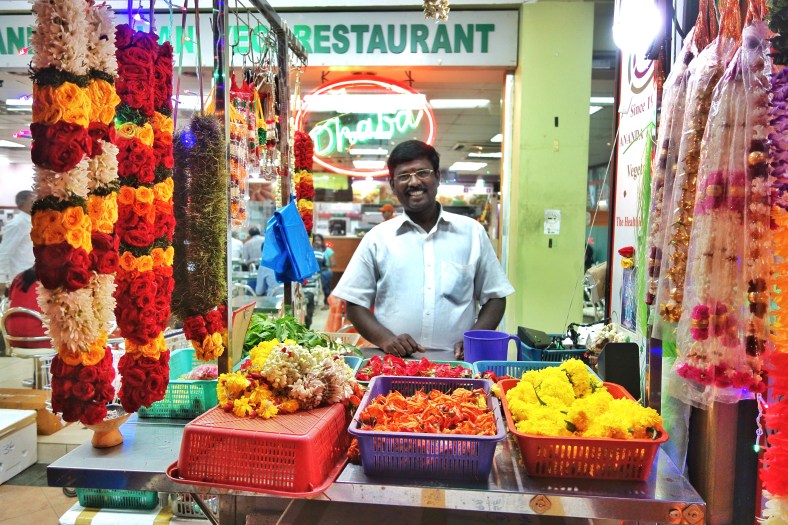
Koonu Samy (meaning “Eye God”) sells fresh flowers and garlands under the imposing shadow of Mustafa Centre, one of Singapore’s largest malls. His strategic location allows easy access for Hindus on their way to the temple. He says, “Most people bring these flowers to the temple, so we make the garlands fresh every morning. Some of these flowers are for death, birth, romance– all things.”
Flowers are now just a click away online, saving you a trip to the local florist. With the bouquet promptly delivered to your doorstep, the question arises: How can traditional florists and wholesalers survive in the age of online competition? The answer lies in two crucial factors: specialization and exceptional service. By focusing on unique expertise and providing top-notch customer care, brick and mortar businesses can thrive in this digital era.
The Economist printed an entertaining piece on the flower industry in New York City. Here is an extract of its history, and tips for survival.
“Behind each stem is (everyone agrees) absolutely the worst, shittiest, most fantastic business in the entire goddamn world.”
A simple supply chain
The flower market at 28th Street is the historic heart of America’s $18 billion flower industry. Its traditional structure was simple: local florists bought from wholesalers in the markets, who in turn sourced flowers from growers or their agents.
Diminishing florists and returns
When people think of creative destruction in the economy, steel or Detroit’s car industry spring to mind. But flowers have felt Schumpeter’s scythe just as sharply. In 1970s Americans shopped at local florists, who were supplied by wholesale markets, which bought from American farms. Now Americans buy 80% of their flowers from abroad, with about 66 cents of every dollar spent in supermarkets or online. Since 1992 the number of florist shops in America has fallen from 27,000 to 15,000. In 1985 Manhattan’s telephone directory listed 636 stores; Google Maps shows under 300 today. Florists complain they are becoming captives of internet order-aggregators, who use them to fulfil orders but take an unfair cut.
Tip #1: Be a specialist of your trade
Identify a unique speciality that you do best, and becomes the best at it.
To survive, wholesalers have specialised. Cas Trap at Dutch Flower Line prides himself on his botanical knowledge. Mr Page’s store is popular with designers and party planners. Associated is skewed towards florists. Louie Theofanis sells branches and blossom. Chris King, a giant who says he once acted in Sergio Leone’s films (“they always killed me off before the end of the movie. I was too good looking”), offers Dracaena Arborea, a jungle tree he grows on his farm in Florida and rents out for parties. The secret is to feed the trees ground fish, he says.
Tip #2: Give people spectacular service
Do you know what’s hard to replicate? Attentive care to how people feel and what they need. Give people personalised attention, and they will trust you to provide for them.
Service is outstanding: the typical wholesaler knows over 500 customers by sight. They are walking, talking charisma machines who will text you price updates from Quito and feel your pain. No website ever did that.
Florists and myriads of other traders have faced challenges in the battle against online commerce. Only the strongest will thrive. Sellers who flourish are the ones who demonstrate a genuine interest in people. By truly understanding and addressing customers’ needs and emotions in a way that online transactions cannot fully accomplish, they set themselves apart.
You can read more about NYC’s flower business in this article in The Economist.
Shopkeeper Stories is a photographic documentary of small business owners and their trades around the world, sharing insights, stories and views. You can see all the posts on Instagram and Facebook @ShopkeeperStories. Enjoy!
 Shopkeeper Stories
Leave a comment